Introduction
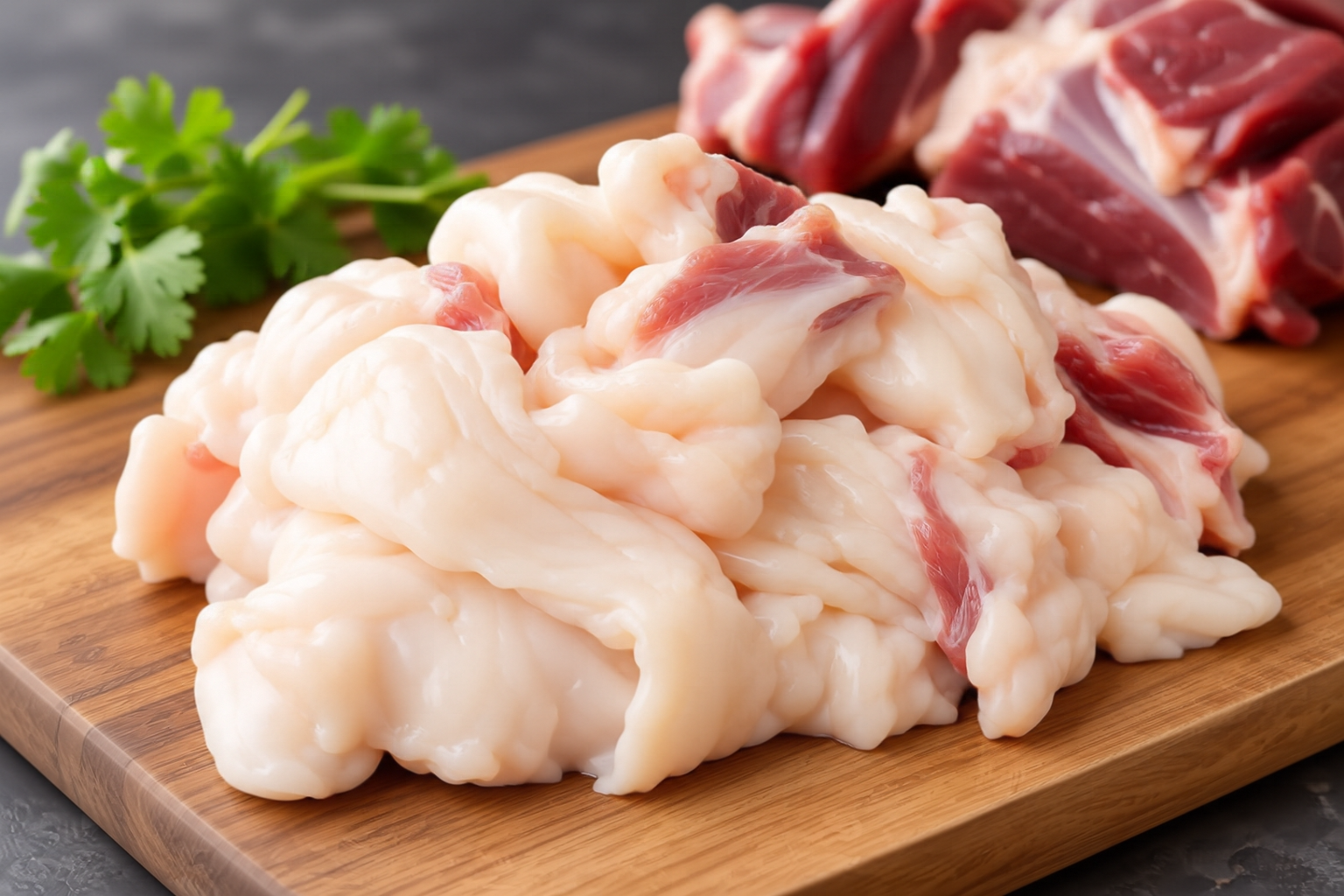
Mutton fat is an energy-dense dietary fat containing a mixture of saturated and unsaturated fatty acids. Dietary fat plays several important physiological roles, including providing energy, supporting cell membrane structure, and facilitating the absorption of fat-soluble vitamins. However, the effects of consuming mutton fat depend on the quantity consumed, the overall dietary pattern, and an individual’s metabolic and digestive health.
Although dietary fat is necessary for normal physiological function, mutton fat is not essential for obtaining these benefits. Understanding its effects on digestion, energy balance, gallbladder function and cardiovascular health helps individuals make informed dietary choices.
1. Fat and the Absorption of Fat-Soluble Vitamins
Vitamins A, D, E and K are fat-soluble vitamins, meaning their absorption in the small intestine is facilitated by dietary fat. During digestion, bile salts help emulsify dietary fat and form structures called mixed micelles, which transport these vitamins to the intestinal surface for absorption.
Consuming these vitamins as part of a meal containing some dietary fat can support their absorption. However, this benefit is not unique to mutton fat. Other sources, including nuts, seeds, fish and vegetable oils, can also provide dietary fat that facilitates the absorption of fat-soluble vitamins.
Therefore, eating mutton fat is not necessary to maintain adequate absorption of these vitamins when the overall diet provides appropriate amounts of dietary fat.
2. How Dietary Fat Influences Digestion and Satiety
When dietary fat enters the small intestine, it stimulates the release of cholecystokinin (CCK), a gastrointestinal hormone produced by specialised cells in the intestinal lining.
CCK has several physiological functions. It stimulates gallbladder contraction, promotes pancreatic digestive enzyme secretion and contributes to the regulation of gastric emptying. These responses help the digestive system process dietary fat and other nutrients.
Because high-fat meals can slow gastric emptying, they may produce a prolonged sensation of fullness in some individuals. This can help explain why a fatty meal may leave someone feeling satisfied for longer.
However, prolonged fullness is not necessarily beneficial in every situation. Large or high-fat meals may cause uncomfortable fullness, bloating, nausea or indigestion in susceptible individuals. People who experience these symptoms may find that smaller meals with less fat are better tolerated.
3. Fat as a Source of Energy and Essential Fatty Acids
Dietary fat provides approximately 9 kilocalories per gram, compared with approximately 4 kilocalories per gram from carbohydrates and protein. This makes fat an energy-dense nutrient.
The body uses fatty acids as an energy source and stores excess energy in adipose tissue. Lipids also contribute to cell membrane structure and support several physiological processes.
However, not all fatty acids are essential. The body can synthesise many fatty acids, but it cannot produce sufficient amounts of the essential fatty acids linoleic acid (omega-6) and alpha-linolenic acid (omega-3). These must be obtained through the diet.
Although mutton fat contains a mixture of fatty acids, it is not required to meet essential fatty acid needs. Foods such as nuts, seeds and selected vegetable oils provide essential fatty acids and can be incorporated into a balanced dietary pattern.
4. Mutton Fat, Calorie Intake and Weight Management
Pure fat provides approximately 900 kilocalories per 100 grams. However, the actual energy content of a portion of mutton fat or fatty meat depends on its composition, including the amount of water, protein and other tissues present.
Because fat is energy-dense, consuming large portions frequently can substantially increase total calorie intake. If energy intake consistently exceeds energy expenditure, the excess energy may contribute to weight gain.
However, weight gain does not result from consuming one particular food alone. Total calorie intake, physical activity, portion sizes, dietary habits and other individual factors all contribute to long-term body-weight regulation.
For individuals aiming to lose weight or maintain a healthy body composition, portion control and the overall energy content of meals are important. Mutton fat can contribute to total calorie intake, but its effects should be considered within the context of the entire diet.
5. Digestive Discomfort After High-Fat Meals
Some individuals experience digestive discomfort after consuming large or high-fat meals. Possible symptoms include:
• A feeling of heaviness or prolonged fullness after eating.
• Upper abdominal discomfort or burning.
• Bloating and belching.
• Nausea.
• Indigestion, also known as dyspepsia.
High-fat meals may contribute to these symptoms in susceptible individuals, partly because fat can slow gastric emptying and stimulate gastrointestinal responses. However, indigestion has multiple possible causes, and symptoms should not automatically be attributed to mutton fat.
Sleepiness after eating, known as postprandial somnolence, can also occur after meals. It may be influenced by meal size, sleep quality, circadian rhythms and overall meal composition. It should not be considered a specific effect of mutton fat.
Individuals who repeatedly experience digestive discomfort after fatty meals may benefit from reducing portion sizes, eating more slowly and observing whether lower-fat meals improve their symptoms.
Persistent or worsening indigestion should be medically evaluated rather than managed through dietary changes alone.
6. Mutton Fat and Gallbladder Function
The gallbladder stores and concentrates bile produced by the liver. When fat enters the small intestine, CCK stimulates the gallbladder to contract and release bile into the intestine. Bile helps emulsify dietary fat, allowing digestive enzymes to break it down more effectively.
In individuals with symptomatic gallstones, gallbladder contraction may trigger biliary pain. This pain is often felt in the upper right or upper middle abdomen and may occur after eating, although symptoms vary between individuals.
However, not everyone with gallstones experiences symptoms after consuming fat, and dietary recommendations should be based on individual symptoms and clinical assessment.
People who have undergone gallbladder removal do not automatically need to eliminate all dietary fat. Some individuals may temporarily tolerate smaller, more evenly distributed portions of fat better, particularly during recovery.
Important: Severe or persistent abdominal pain, particularly when accompanied by fever, repeated vomiting or yellowing of the skin or eyes, requires prompt medical assessment. Such symptoms should not simply be attributed to indigestion after eating fatty food.
7. Saturated Fat and Cardiovascular Health
Mutton fat contains both saturated and unsaturated fatty acids. The amount and type of fat consumed are important considerations for cardiovascular health.
Regularly consuming large amounts of saturated fat can raise low-density lipoprotein (LDL) cholesterol in many individuals. Elevated LDL cholesterol is an established risk factor for atherosclerotic cardiovascular disease.
Replacing saturated fat with unsaturated fat, particularly polyunsaturated fat, can help lower LDL cholesterol and improve the cardiovascular profile of the diet.
Sources of unsaturated fats include nuts, seeds, fish and suitable unsaturated vegetable oils. These foods can replace some foods rich in saturated fat as part of a balanced dietary pattern.
The aim is not to eliminate all dietary fat, but to choose appropriate sources, manage portion sizes and maintain a dietary pattern that supports cardiovascular and metabolic health.
Individuals with elevated LDL cholesterol or other cardiovascular risk factors should pay particular attention to their overall saturated fat intake.
Conclusion
Mutton fat provides energy and can facilitate the absorption of fat-soluble vitamins when consumed as part of a meal. It also stimulates normal digestive responses, including CCK release and gallbladder contraction. Nevertheless, these physiological effects are not unique benefits of mutton fat; other dietary fat sources can support the same essential processes.
Its high energy density makes portion size important, particularly for individuals managing body weight. People who experience recurrent digestive discomfort or symptomatic gallstones may need to adjust their fat intake according to their symptoms and medical advice. In addition, frequent consumption of large amounts of saturated fat may adversely affect LDL cholesterol.
For general health, the emphasis should be on a balanced dietary pattern, appropriate calorie intake, and choosing more unsaturated fat sources rather than relying on mutton fat for specific physiological benefits.
Literature References
1. Indigestion (Dyspepsia) – National Institute of Diabetes and Digestive and Kidney Diseases (NIDDK).
2. Biochemistry, Cholecystokinin – StatPearls, NCBI Bookshelf, 2023.
3. Saturated Fats – American Heart Association.